Green Infrastructure: The Role of Advanced Concrete in Sustainable City Planning Oct 28, 2026
The shift towards sustainable city planning involves more than just planting trees and conserving energy. It requires a fundamental rethinking of materials and methods used in urban construction. Concrete, traditionally seen as an energy-intensive and environmentally taxing material, is undergoing a transformation. Advanced concrete technology is setting new standards for sustainability, functionality, and durability in urban development.
One of the remarkable features of advanced concrete is its enhanced durability. With long-lasting life cycles, structures built with cutting-edge concrete require fewer resources for maintenance and replacement. This longevity reduces the overall carbon footprint associated with city infrastructure. Additionally, many modern concrete formulations incorporate recycled materials such as fly ash, slag, and crushed glass, further reducing waste and promoting circular economy principles.
A major advantage of advanced concrete in green infrastructure is its ability to mitigate the urban heat island effect. This phenomenon, where cities become significantly warmer than their rural surroundings, is exacerbated by traditional construction materials that absorb and retain heat. Innovative concrete mixtures, such as high-albedo and permeable concrete, reflect more sunlight and facilitate cooler surface temperatures, contributing to a more comfortable urban environment.
Water management is another critical area where advanced concrete plays a vital role. Permeable concrete allows water to pass through its surface, reducing runoff and recharging groundwater supplies. This property is especially beneficial during heavy rainfall, minimizing the risk of flooding and alleviating the burden on city sewer systems. Incorporating such solutions into city planning not only supports sustainable water management but also enhances the resilience of urban areas to climate change.
Concrete also contributes to sustainable transportation infrastructure by forming the backbone of eco-friendly transit systems. High-performance concrete is used in the construction of light rail lines, bicycle paths, and pedestrian walkways, which promote the shift away from fossil-fuel-powered vehicles. By facilitating bicycle and pedestrian traffic, cities can reduce their overall carbon emissions and create healthier, more livable urban environments.
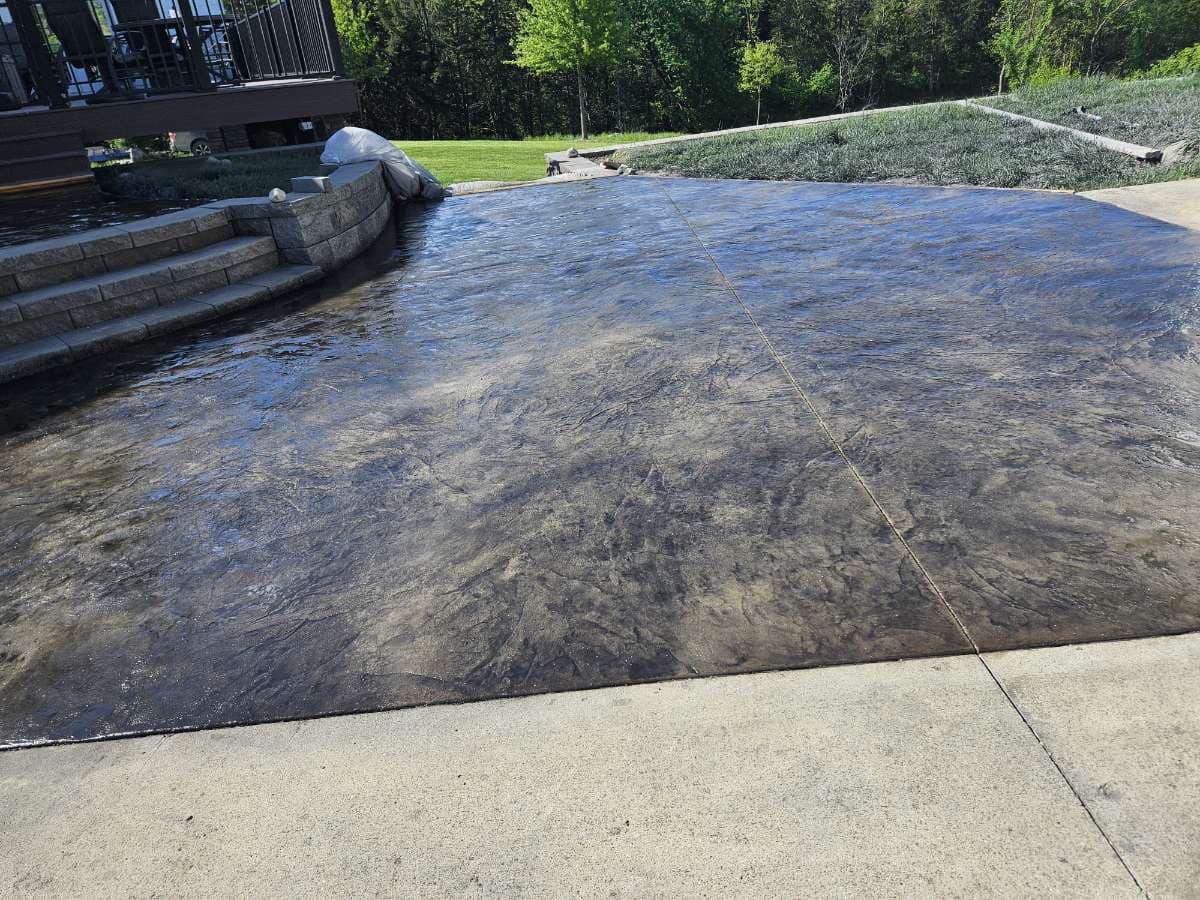
Moreover, the use of advanced concrete facilitates aesthetic and functional improvements in city landscapes. Decorative concrete options now include environmentally friendly pigments and stamping techniques that mimic natural materials without the associated environmental impact. This flexibility allows architects and city planners to design urban spaces that are not only sustainable but also visually appealing.
As cities worldwide aim to become more sustainable, the role of advanced concrete technology in urban planning cannot be overlooked. New Age Concrete is at the forefront of this evolution, providing solutions that meet the dual needs of environmental responsibility and urbanization. By adopting these cutting-edge concrete technologies, cities can build infrastructures that are greener, more efficient, and prepared to meet the challenges of the future.
As we continue to explore new possibilities within sustainable construction, the integration of advanced concrete into green infrastructure will remain a cornerstone of resilient city planning. By leveraging these innovations, urban environments can thrive while protecting and preserving our planet for future generations.

