Blending Tradition and Technology: The Future of Concrete in Urban Design May 29, 2026
The history of concrete dates back millennia, yet its adaptability continues to surprise us. While tradition roots concrete in durability and versatility, technological advancements are expanding its potential beyond static applications. For urban designers and developers, these innovations open up new possibilities for creative and sustainable infrastructure solutions.
One of the most promising developments is the integration of smart technology into concrete. This includes the embedding of sensors that can monitor structural health and environmental conditions. These smart concretes can relay information on stress levels, temperature changes, and humidity in real-time. For urban settings, this intelligence not only enhances safety but also aids in proactive maintenance, reducing long-term repair costs.
New Age Concrete, as an industry leader, is embracing these innovations by incorporating advanced composite materials that enhance the traditional mix of concrete. These composites are designed to improve tensile strength and reduce weight, making them ideal for high-rise buildings and expansive bridges. The result is a stronger, lighter concrete that supports cutting-edge architectural designs without sacrificing durability.
Sustainability is another critical factor driving the evolution of concrete. With urban areas expanding, the need for environmentally friendly materials is paramount. New Age Concrete is at the forefront of this green revolution, utilizing recycled aggregates and low-carbon cement alternatives to produce eco-friendly concrete. This not only reduces the carbon footprint but also promotes recycling, fitting seamlessly into the sustainable urban development narrative.
Rapid urbanization also demands faster construction timelines. Here, prefabricated concrete modules are revolutionizing how buildings are erected. These modules are produced in controlled environments and then transported to construction sites, where they are assembled quickly. This method not only accelerates the building process but also ensures consistent quality, minimizing onsite disruptions.
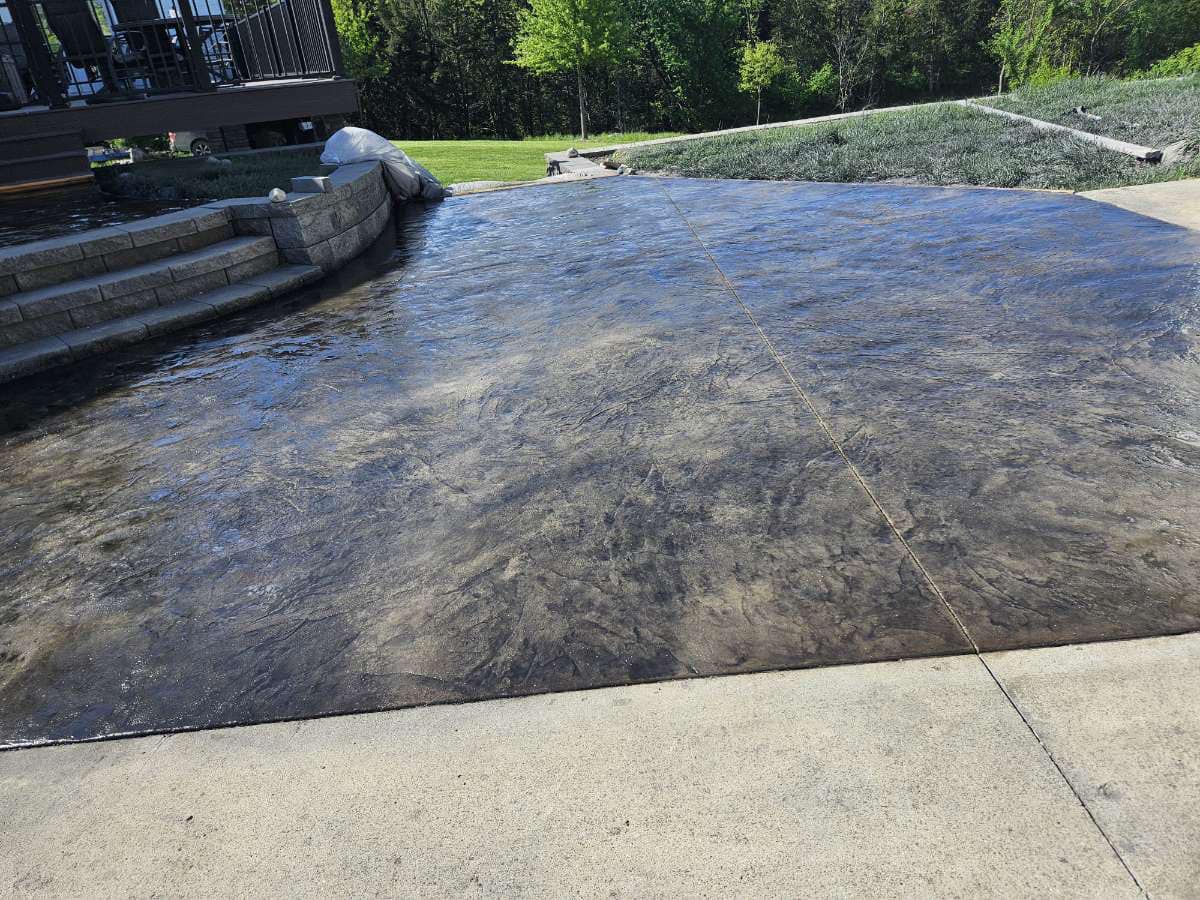
Furthermore, the aesthetic flexibility of concrete has advanced significantly with the introduction of decorative elements and surface treatments. Urban designers are now able to infuse artistic expressions into concrete surfaces, transforming them into engaging public art pieces that add character to urban spaces. From colored concrete pavements to intricate facades, the material's versatility in coloration and texture enhances both functional and visual appeal.
The future of concrete in urban design, as championed by New Age Concrete, lies in its ability to adapt through innovation. By blending traditional strengths with new technologies, concrete is evolving to meet the challenges of modern urban environments. As cities grow and demand more sustainable and efficient solutions, concrete's role as a building block continues to expand.
In conclusion, as urban landscapes evolve, so too must the materials we use to build them. New Age Concrete exemplifies how tradition and technology can converge to create a composite material that is both innovative and indispensable. Whether through smart sensors, sustainable materials, or artistic applications, the future of concrete is bright and robust, reinforcing its place at the core of urban design. As we look to the future, it's clear that concrete will continue to play a vital role in shaping more sustainable and resilient cities.
/filters:no_upscale()/filters:format(webp)/media/a0f9859d-178a-4ea6-8d74-af775e7bb8ee.jpg)
/filters:no_upscale()/filters:format(webp)/media/17fbcb51-4891-438e-be86-9db5e2e77df1.jpg)